|
By Kathy Horan 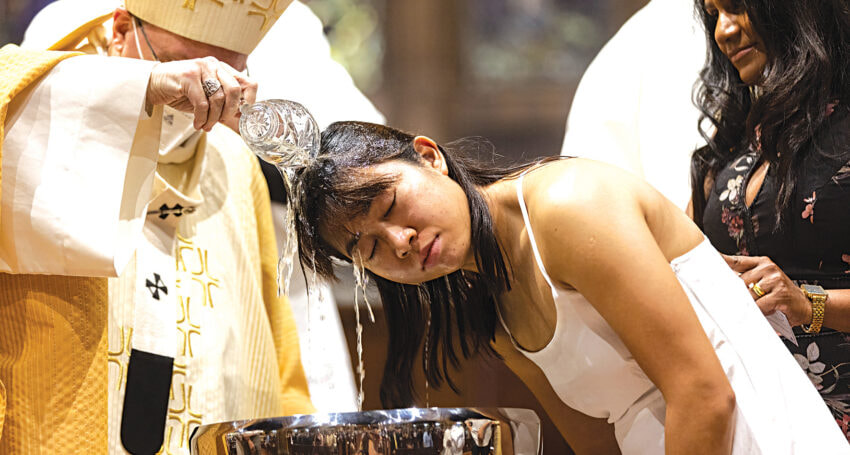 The season of Lent is a time for reflection on the gospels, renewal and conversion of mind and heart to a gracious God who desires to come close to us. This God, as shown to us by Jesus, is full of compassion and tenderness, slow to anger and rich in mercy.
The Scriptures during Lent resound with messages along the lines of: ‘Come back to me with all your heart; …return to the Lord your God, for he is gracious and merciful, slow to anger, and abounding in steadfast love.’ (Joel 2:12,13); and ‘The time is fulfilled, and the kingdom of God has come near: repent and believe the good news.’ (Mark 1:14) For those in our parish communities who have recently been named as the ‘Elect,’ the season of Lent is a highly significant journey of conversion that will reach a high point at the Easter Vigil when they will receive the sacraments of initiation – baptism, confirmation and first communion. During this time, they, and we, will journey together with Jesus, encouraging one another and supporting one another by reflecting on our faith, taking time to pray and deepening our relationship with the Lord.
0 Comments
By Dr. Jenny O'Brien 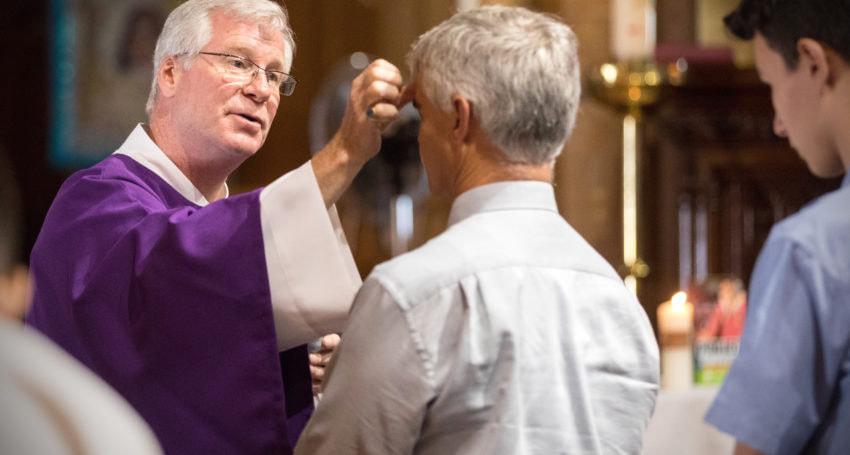 The season of Lent extends from Ash Wednesday until the Mass of the Lord’s Supper on Holy Thursday evening, when the Easter Triduum begins. During this period neither the Gloria nor the Alleluia are sung, and a different Collect (Opening Prayer) is provided for every day, to emphasise the importance of these weeks.
But have you ever wondered where the practice of having our foreheads signed with ashes originated? The Old Testament tells us that those doing penance would dress in sack-cloth and put ashes on their heads as a sign of their repentance and we know that this practice continued with the early Christians. You may not know, however, that penance in the weeks leading up to Easter was linked to preparation for baptism of adults which, in the Early Church, often took place at Easter. Quite early in the piece it became customary for all Christians to support those preparing for baptism by sharing with them in prayer, fasting and almsgiving, and taking time to reflect on what their own baptism meant to them. An 8th century sacramentary contains a ritual for the ‘Day of Ashes’ so we know that this way of marking the beginning of Lent is at least 13 centuries old! By Lauren Bierer 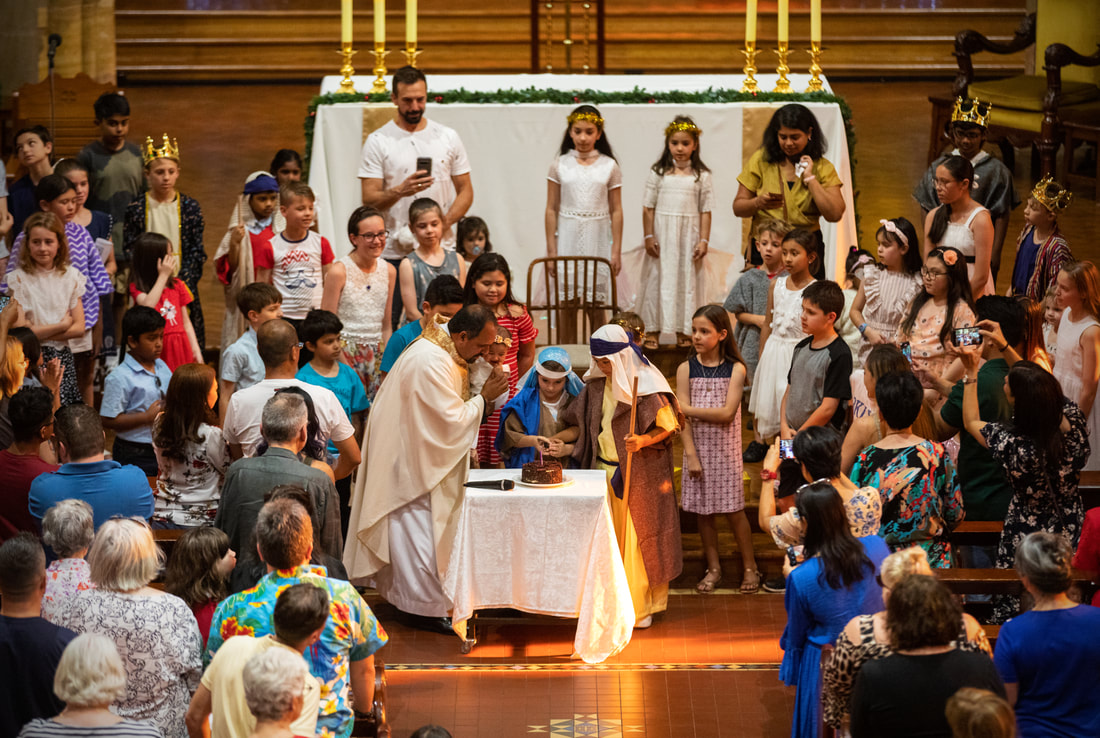 Christmas lunch is either something you look forward to or something you dread. The food, the company, the conversations, the gift exchange; a lot of it hinges on both the choices you make and the people you are with. Are we gathering out of obligation or with love? How well do we know the people around the table? How could we make time with family and friends more meaningful?
Priya Parker, author of The Art of Gathering says that ‘a part of the art of gathering is to get people off their scripts and do things that are unexpected’. As we gather for the third Christmas since learning the word ‘COVID’, we must acknowledge that each person’s experience is unique. Trauma, fear, worry, anxiety, depression, loss, illness are all very real and significant in some people’s lives. By Kathy Horan 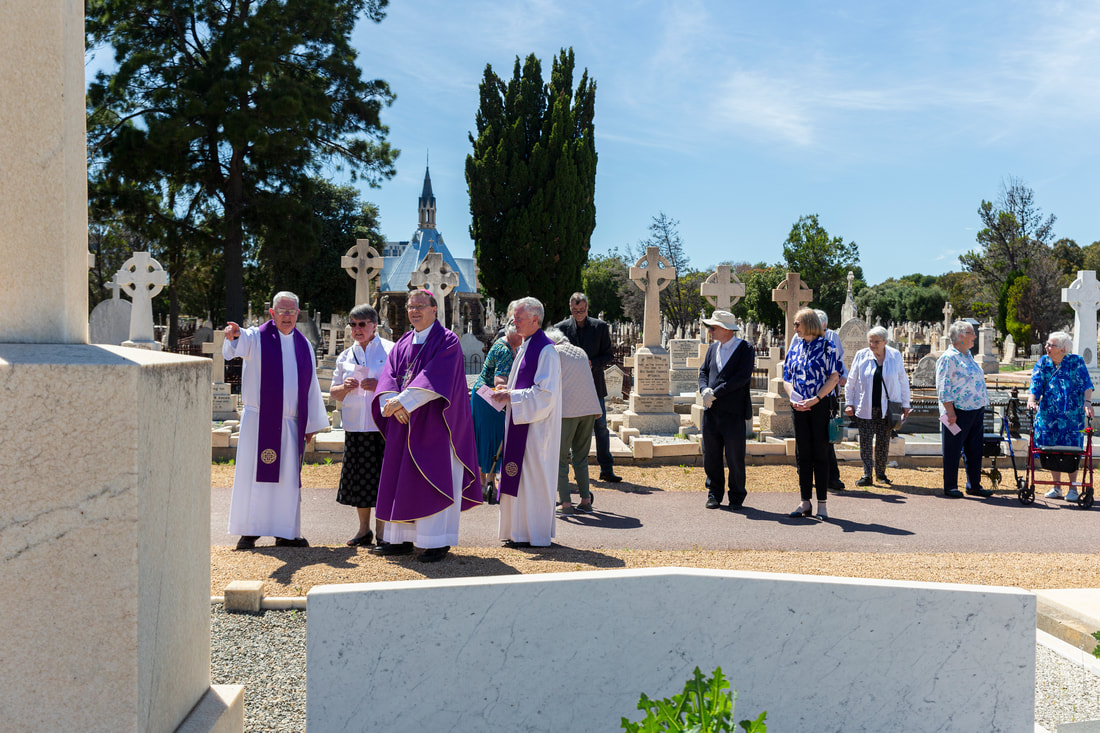 As we move through the month of November we are conscious that this year is coming to closure, and we are also in the process of looking ahead to plan and prepare for the coming year.
November is a special month for remembering, reflecting on the events of the year and their significance. It is also a time for calling to mind and celebrating the people and events that are important and provide deep meaning for us. As we approach the end of the year, we celebrate the feast of All Saints and All Souls, reminders that we continue to be linked in our faith in the communion of saints. By Dr. Jenny O'Brien 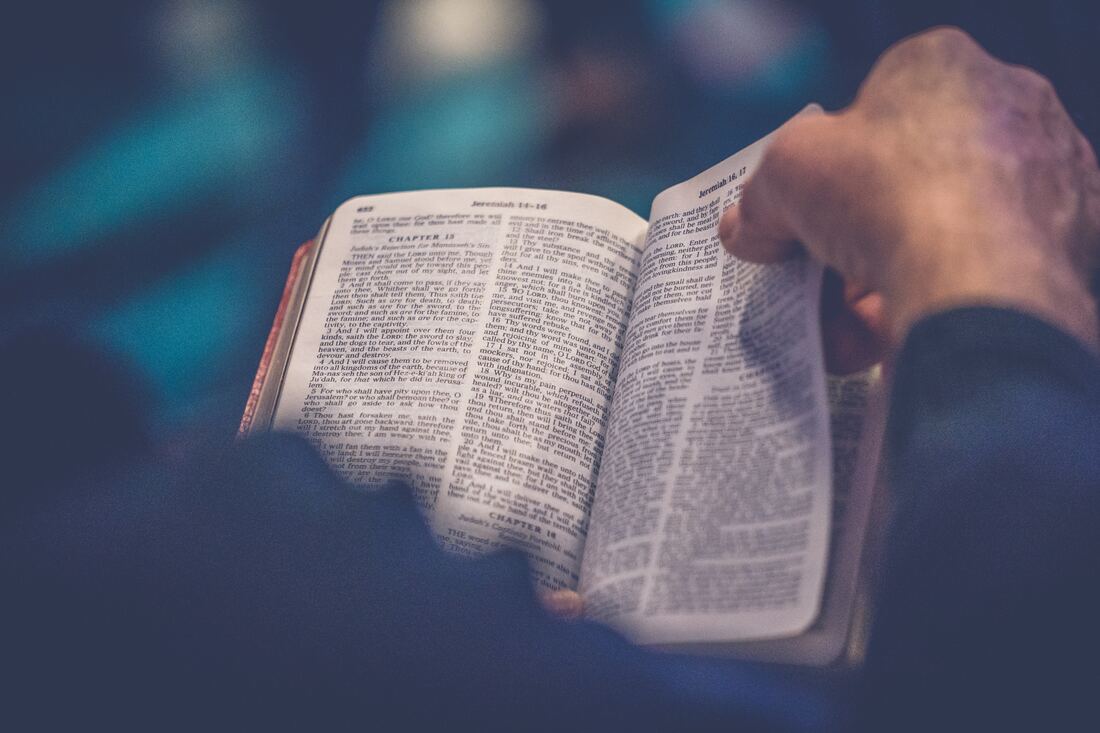 Christians have always gathered together to give praise to God on Sunday, the day of the Lord’s resurrection. In this they carry out Jesus’ words at the Last Supper: “Do this in memory of me.” We know that Christ is always present when the faithful come together, and whenever we gather for Eucharist it is the whole Body of Christ that gathers, with Christ as head and us as his members.
The priest who leads the baptised in worship is part of the assembly by virtue of his baptism and presider by virtue of his ordination. Sometimes he prays on behalf of the assembly, sometimes he speaks or acts on behalf of Christ, and sometimes he speaks on his own behalf, but any act of liturgical worship is always ‘an exercise of the priestly office of Jesus Christ…performed by the entire Body of Christ, that is, by the head and his members’. (Constitution on the Sacred Liturgy, #7) During the extraordinary mystery of the Eucharist the ordinary elements of bread and wine are taken, blessed, broken and given, transformed by the power of the Holy Spirit into the Body and Blood of Christ, to be received as spiritual nourishment by those present. By Lauren Bierer 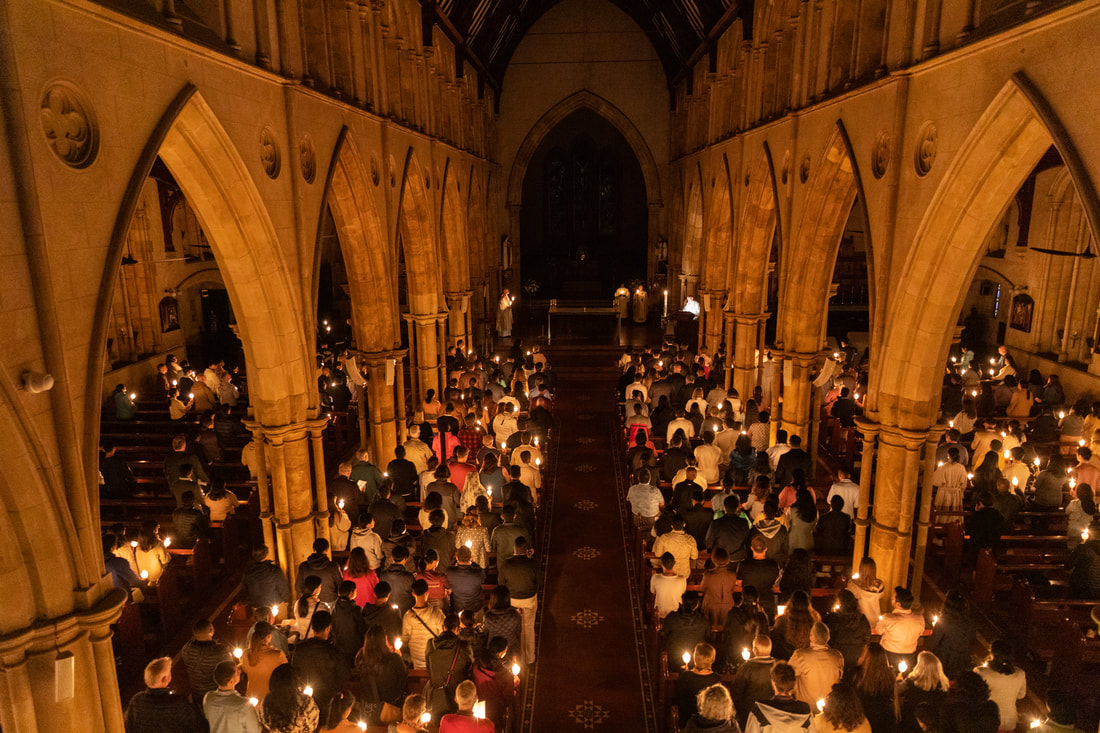 The postures of participants in the assembly at Mass can feel routine for those who attend regularly: stand for the Alleluia and proclamation of the Gospel, sit for the homily and stand for the Creed, etc. On the other hand, if you’ve ever been to a Catholic wedding or funeral, you have most likely witnessed family and friends who are less familiar with the actions and responses, gathering uncomfortably in the pews, looking around the room for prompts from the regulars.
It is nerve-wracking to be a part of an unfamiliar ritual and not being sure of your role. Some may feel particularly uncomfortable when it comes time to kneel. It is a posture of vulnerability. A posture of penance, where we say ‘I’m sorry for my mistakes’, ‘I know I am an imperfect human’. If you’re a first-time church visitor and the presider says ‘please kneel’, it’s natural to decide ‘this bit isn’t for me, I’ll just watch’. By Kathy Horan 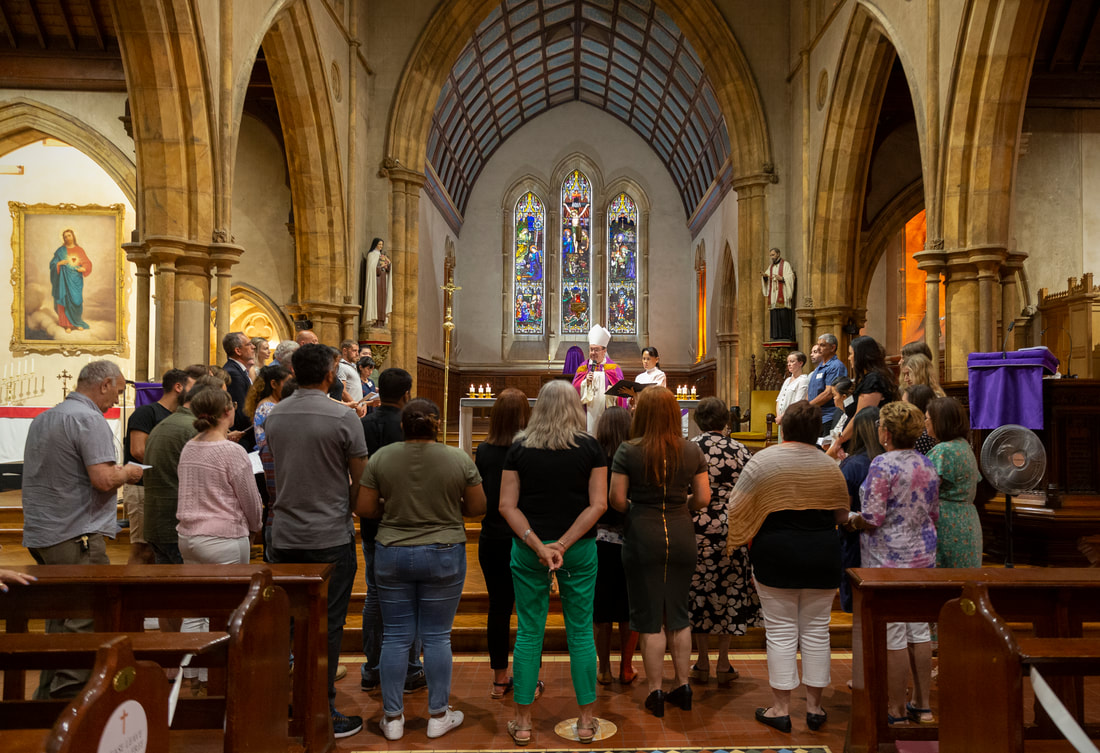 ‘Go and make disciples of all nations, baptising them in the name of the Father, and of the Son, and of the Holy Spirit, and remember, I am with you always, to the end of the age.’
These final words of Jesus to the disciples provided them with a significant challenge, a way forward, and the promise of his abiding presence with them for all time – and no handbook of procedures to follow! A concern of the early Christian community was to find a way of sharing their faith in the risen Lord with those who came to them, seeking to become part of the group. In a time of uncertainty and confusion, the disciples and other early Christians knew their need of banding together as a community for support and encouragement to carry out the Lord’s mission. By Dr. Jenny O'Brien 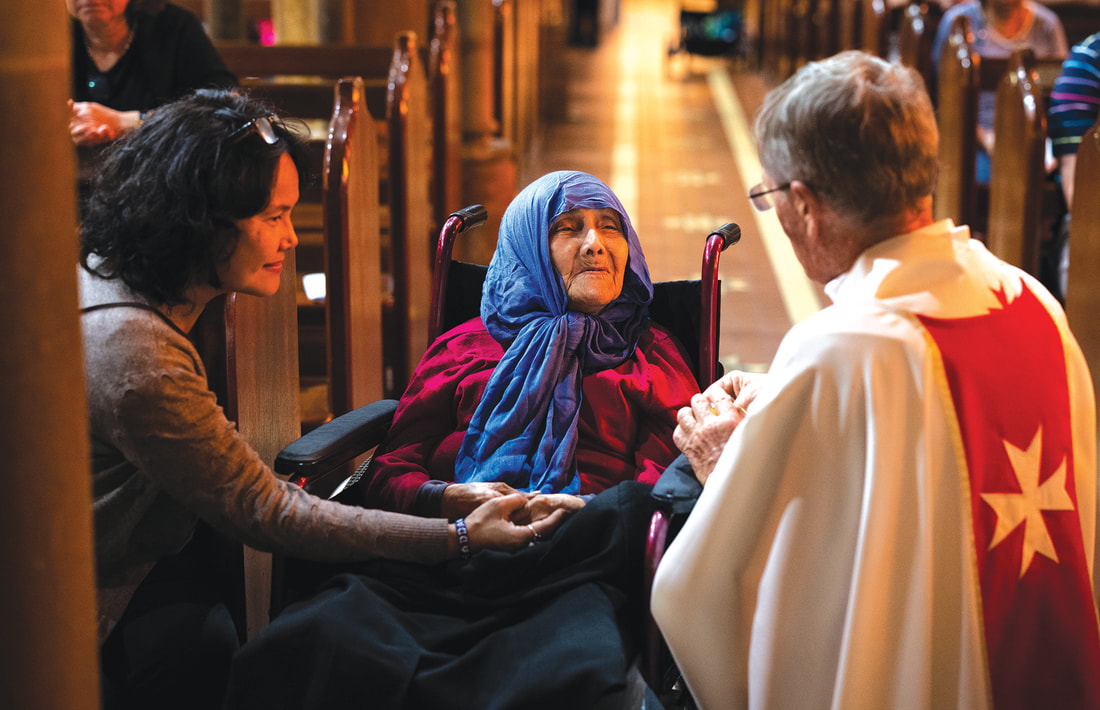 The experience of sickness and suffering can make us feel anxious and alone. We need someone to be with us, to comfort us, to listen to us, to encourage us. This doesn’t apply only to the person enduring the pain or illness, but to those who love them and care for them who wonder, ‘What can I do? What should I do? Who can I turn to?’
Sometimes these questions confront us as we or someone we love is faced with the prospect of a serious operation or treatment. Sometimes they strike us when we are in the midst of deep distress or depression. Sometimes it is as we sit with someone we love who is nearing their death. Sometimes it is as the difficulty of coping with ongoing chronic pain overwhelms us and we wonder how we can cope. And sometimes it is as we endure the sheer frustration of the increasing limitations that come with ageing. |

|
Community Life & Worship, Pastoral Services Team worship@adelaide.catholic.org.au +61 8 8210 8130 Catholic Archdiocese of Adelaide
|